common surface finishes for flexible PCBs
In the intricate world of Printed Circuit Board (PCB) production, many decisions need to be made that will have a direct impact on a final product’s performance, reliability, and longevity. The seemingly minor choice of surface finish, for example, can significantly influence a PCB’s ability to withstand harsh environments and assembly processes, as well as its overall quality and cost.
To avoid these potential pitfalls, it is critical to understand the different types of flexible pcb surface finishes and how they differ from one another. This article will help you navigate the wide range of options available and choose the best finish for your application.
Ultimately, your choice will depend on the specific requirements of your design and the assembly process you intend to use. For example, some surface finishes may not be compatible with certain soldering techniques or have limited reworkability capabilities. Similarly, some surface finishes are more sensitive to environmental conditions and could degrade over time.
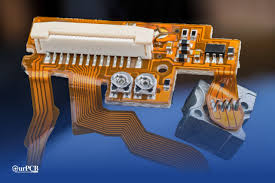
What are the common surface finishes for flexible PCBs?
There are also many factors that will dictate whether a particular finish is the right fit for your flex PCB. For instance, your flex PCB may require copper features that must be durable and corrosion resistant over the life of the product. In such cases, a hard gold finish is typically used.
Other applications require a more flexible, pliable PCB that can be easily bent and flexed. In these instances, a HASL or OSP finish may be more appropriate.
A major consideration for selecting the best PCB surface finish is the material composition of your component pads and the intended assembly environment. For example, some surface finishes are more compatible with certain solder pastes than others. Moreover, some surface finishes can be sensitive to the temperature of the soldering environment. This will impact the ability to reflow the solder and achieve a reliable connection.
Additionally, some surface finishes are more vulnerable to contamination and can be damaged by handling or storage methods. For this reason, it is important to consider the required durability and flexibility of your flex PCB before choosing a surface finish.
Lastly, you must keep in mind the amount of assembly and rework that your finished product will require. While some surface finishes are more cost-effective, they may not be able to withstand the number of thermal cycles or reworkability demands of your assembly process.
Ultimately, the most common surface finishes for flexible PCBs include Hot Air Solder Leveling (HASL), Electroless Nickel Immersion Gold (ENIG), and Organic Solderability Preservatives (OSP). Each offers distinct benefits in the Printed Circuit Board manufacturing process. HASL, for instance, provides excellent solderability and is ideal for high-density interconnects. On the other hand, ENIG has a flat surface that makes it suitable for fine-pitch components and ball grid array (BGA) packages. Moreover, its lead-free nature makes it RoHS compliant. However, its susceptibility to ‘black pad syndrome’ and lack of reworkability make it an unsuitable option for some applications. Moreover, it is an expensive finish. Consequently, some manufacturers use hybrid surface finishes to combine the advantages of multiple technologies.