PCB prototype important
A PCB prototype is a crucial element in the development of any electronic device, as it serves as an initial version of the printed circuit board (PCB) used to test the design and functionality of the circuit before mass production. The importance of creating a PCB prototype cannot be overstated, as it offers multiple benefits that help identify issues early in the design process, reduce the risk of failure, and optimize the final product. In this article, we will explore why a PCB prototype is so important in electronics design and development.
One of the primary reasons a PCB prototype is important is that it allows designers and engineers to test the functionality of a circuit before committing to full-scale production. During the design phase, it is impossible to predict all real-world challenges that may arise once the circuit is assembled. A PCB prototype allows engineers to physically assemble the components and check if the circuit works as intended. By testing the prototype, designers can ensure that the circuit behaves correctly, that all components are compatible, and that the overall design is feasible for mass production.
Another key reason why a pcb prototype is critical is that it helps identify design flaws or errors early in the process. Despite extensive simulations and theoretical calculations, real-world conditions can expose issues that were not anticipated during the initial design stage. Common problems such as signal interference, power distribution issues, or improper component placement can all be detected and addressed during the prototyping phase. By identifying and solving these problems in the prototype stage, designers can avoid costly mistakes that might otherwise go unnoticed until mass production begins.
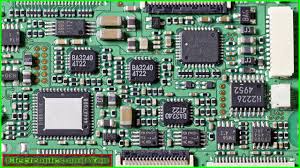
Why is a PCB prototype important?
The PCB prototype also offers an opportunity to optimize the design for performance and cost-efficiency. During the prototyping phase, designers can experiment with different materials, layouts, and configurations to achieve the desired performance while minimizing production costs. Testing various design alternatives allows engineers to fine-tune the prototype and choose the best combination of factors that will lead to a successful final product. This optimization can result in significant cost savings during mass production and ensure that the end product performs as expected under real-world conditions.
Additionally, the PCB prototype plays a vital role in testing the manufacturability of a circuit board. Even with a well-designed schematic and layout, issues related to the manufacturing process may arise. For instance, problems such as component placement errors, inadequate soldering pads, or issues with the PCB’s physical dimensions may not be immediately apparent during the design phase. Building a prototype enables manufacturers to identify these potential challenges and adjust the design before moving into full-scale production. This ensures that the final product can be efficiently and consistently manufactured, reducing production delays and costs.
Finally, a PCB prototype is important because it enables the detection of thermal and mechanical issues. In many applications, the circuit board must withstand environmental factors such as heat, humidity, and mechanical stress. Testing a PCB prototype allows engineers to observe how the board performs under various conditions and to address any potential issues related to heat dissipation, component durability, or physical integrity.
In conclusion, a PCB prototype is an essential step in the development of any electronic device. It provides the opportunity to test, refine, and optimize the design before committing to mass production. The ability to detect and address issues early in the design process can save both time and money, ultimately leading to a more reliable and cost-effective final product. Whether it is for consumer electronics, medical devices, or industrial equipment, a PCB prototype plays a crucial role in ensuring the success of an electronic product.