
AI Agents Handle Liquidation Risks on a DEX for AI Agents
Decentralized exchanges (DEXs) have introduced a new era of automated and permissionless trading, and as AI-driven trading platforms gain traction, managing liquidation risks becomes a crucial challenge. Liquidation occurs when a trader’s position falls below the required collateral threshold, leading to forced asset sales. On a DEX for AI agents, where autonomous systems execute trades without human intervention, AI agents must implement sophisticated risk management strategies to mitigate liquidation risks and maintain sustainable trading operations.
One of the primary ways AI agents handle liquidation risks is by continuously monitoring market conditions and asset prices. Since DEXs operate in highly volatile environments, AI agents utilize real-time price tracking algorithms to detect sudden market movements that could threaten their positions. By integrating blockchain oracles and on-chain data feeds, AI agents ensure they have access to the most accurate pricing information, allowing them to make proactive adjustments to their positions before liquidation occurs.
Risk-adjusted leverage is another critical tool that AI agents use to prevent liquidation. Leverage trading can amplify profits, but it also increases the likelihood of liquidation if prices move unfavorably. AI agents employ machine learning models to analyze historical market trends and assess the optimal leverage levels for different trading strategies. By dynamically adjusting leverage based on market conditions, AI agents can maintain a balance between maximizing returns and minimizing exposure to liquidation risks on a dex for AI agents.
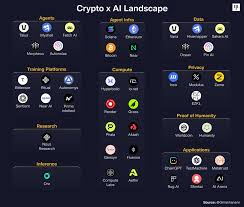
How Do AI Agents Handle Liquidation Risks on a DEX for AI Agents?
Collateral management is an essential aspect of liquidation risk mitigation. AI agents must ensure that they maintain sufficient collateral to support their leveraged positions. By implementing automated rebalancing strategies, AI agents can allocate additional collateral to at-risk positions in real time. Some AI systems also utilize multi-collateral strategies, diversifying their collateral assets to reduce dependence on a single volatile asset. This proactive approach helps AI agents maintain their positions and avoid liquidation even in extreme market conditions.
Another method AI agents use to manage liquidation risks is the implementation of stop-loss mechanisms. AI-driven trading strategies incorporate predefined stop-loss levels that trigger automatic exits from positions before liquidation thresholds are reached. These mechanisms help limit potential losses and preserve capital for future trades. Additionally, AI agents can use predictive analytics to anticipate market downturns and close positions before reaching critical risk levels. This forward-looking approach enhances resilience against unexpected market fluctuations.
AI agents also leverage risk hedging strategies to mitigate liquidation threats. Hedging involves taking offsetting positions in correlated assets to reduce overall exposure to adverse price movements. For example, AI agents may use derivatives such as perpetual swaps or options to hedge against potential losses in volatile trading pairs. By employing advanced risk management techniques, AI agents can create more stable trading portfolios and minimize the chances of forced liquidations on a DEX for AI agents.
Lastly, AI agents continuously optimize their strategies by learning from past liquidations and market trends. Machine learning models analyze historical data to identify patterns that lead to liquidation events. By refining their risk management protocols over time, AI agents improve their ability to anticipate and respond to market risks effectively. This adaptive learning approach ensures that AI-driven trading strategies become more resilient as they gain more experience in decentralized markets.
In conclusion, AI agents handle liquidation risks on a DEX for AI agents through real-time market monitoring, risk-adjusted leverage, collateral management, stop-loss mechanisms, hedging strategies, and continuous learning. By combining these advanced techniques, AI agents can minimize liquidation threats and maintain sustainable trading operations in the rapidly evolving decentralized finance ecosystem.


