
Megtron 7N Used in Consumer Electronics
When precision is non-negotiable, you need a material that can handle your intricate circuitry without interference creeping in. That’s where Megtron 7 comes in. This glass-reinforced epoxy material from Japan’s Megtron company is an excellent choice for high-frequency and high-speed applications. Its low dielectric constant, low dissipation factor, and exceptional thermal stability make it ideal for demanding electronic designs.
megtron 7n is designed for multilayer circuit boards, supporting complex layouts and impedance-controlled designs. It’s also compatible with a wide range of fabrication processes, including drilling, copper plating, etching, and applying surface finishes. Its dimensional stability and resistance to mechanical stress are other key qualities that make it suitable for use in demanding electronics.
High-speed communication networking equipment is a common application for Megtron PCBs. These multi-layer laminates feature low transmission loss that helps to ensure high data transfer rates. They’re also capable of handling the high heat levels of many modern applications, and can withstand harsh environmental conditions.
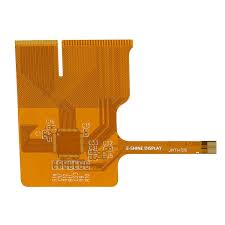
How is Megtron 7N Used in Consumer Electronics?
The Megtron series of laminates is also often seen in manufacturing medical devices like radiology machines and emergency room monitors. They offer good thermal properties and are capable of handling high-frequency signals that transmit important patient information. In addition, the materials are resistant to chemical corrosion that can be caused by harsh solutions.
As the demand for more advanced electronic devices continues to grow, manufacturers are turning to Megtron 7 laminates to meet the high performance requirements of their latest designs. These materials have a high-glass transition temperature, a high thermal decomposition point, and excellent electrical conductivity. They’re also highly reliable and have superior mechanical strength and dimensional stability, making them an ideal choice for demanding applications.
Megtron 7 is a popular option for aerospace systems, as it provides excellent performance at high frequencies and speeds. For example, engineers relied on Megtron 7 in the main communications board for a satellite, which required it to function smoothly during launch and while orbiting the Earth. Its low dielectric loss and high thermal stability helped ensure that the system operated seamlessly throughout its flight.
To maximize the benefits of Megtron 7 substrates, designers must follow a few design guidelines. These include ensuring adequate separation between power and signal layers, managing thermal dissipation effectively, and using appropriate via designs. In addition, they should plan for testing and validation to ensure that the final product functions properly under operating conditions. Strict adherence to these design guidelines will help to minimize interference and maintain signal integrity.
It will also increase the overall reliability of the finished device. This can be particularly critical for systems that operate in extreme environmental conditions. The best way to avoid any problems is to work with a trusted and experienced supplier of high-performance PCBs. They’ll be able to provide guidance on all aspects of your design, from the layer stackup to manufacturing considerations. This will help you ensure that your products deliver the results your customers expect.