Substrates Used in Prototype Circuit Board Assembly
There are many different types of substrate materials that can be used in the construction of a circuit board. Choosing the right one is important to ensure that your PCB will perform at its best. There are several factors to consider when deciding which material is right for your application, including its manufacturability, thermal stability, and flexural strength. The type of circuit you are building will also influence the material choice.
The most popular substrate material for rigid circuit boards is FR4, or flame retardant grade 4 laminate. This type of material is made from a combination of fiberglass and epoxy resin, and it provides excellent electrical insulation. It has a low dielectric constant and high mechanical properties, making it ideal for most applications. It is available in both high- and low-temperature versions, which allows it to work well with a variety of electronic components.
Other good choices for prototype circuit board assembly substrates include polyimide and PTFE. These materials are more expensive than FR4, but they offer better durability for abrasive environments. They are also resistant to multiple chemicals and provide a lower temperature transition point, making them ideal for high-power circuits. The type of board you are working on will also decide which material to use for your substrate.
If you need a PCB that can work in harsh environments, look for a substrate with a Tg of up to 170@C. A higher Tg indicates a greater ability to resist chemicals and moisture. It is also a sign of greater structural integrity, which is important for a long-lasting circuit board.
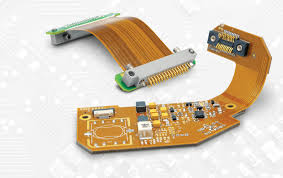
Types of Substrates Used in Prototype Circuit Board Assembly
Another important factor to consider when choosing substrate material is its etchability. This is the amount of copper that can be exposed during the fabrication process. A more etched substrate means that you can make more connections without worrying about the solder mask. It is also less likely to be damaged during a long production run.
Lastly, you should choose a substrate with a low thermal expansion coefficient. This is especially important if you are using your board for heat-intensive applications. The last thing you want is for your board to bend easily, which could damage it and reduce its performance.
Some PCBs require a metal-backed substrate to handle the heat generated by their components. A metal-based substrate is also ideal for boards that will be exposed to extreme heat and vibration, as it can withstand these conditions more than a standard PCB.
The layering of a circuit board determines its overall function. The first layer is the substrate, which is usually a fiberglass base. It is followed by a copper foil that acts as the conductive path. On top of this, there is a green solder mask that protects the copper from corrosion. A final layer is the silkscreen, which contains the component and signal information. Some circuits have a dozen layers, while others have as few as two or three.